


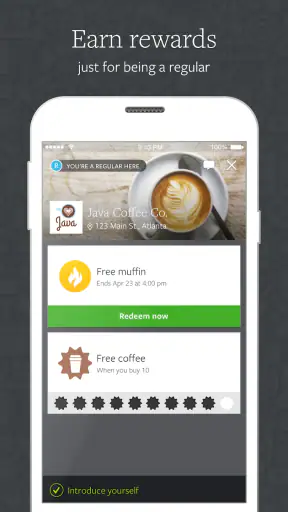
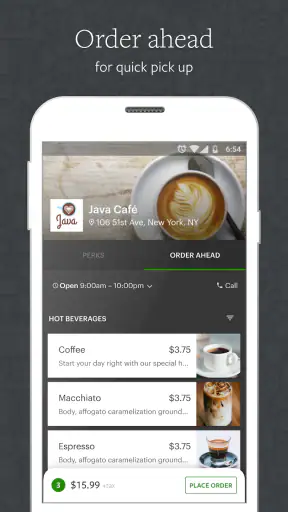
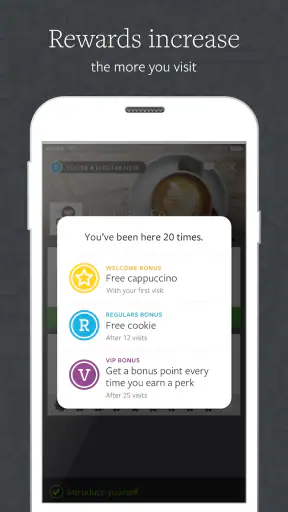

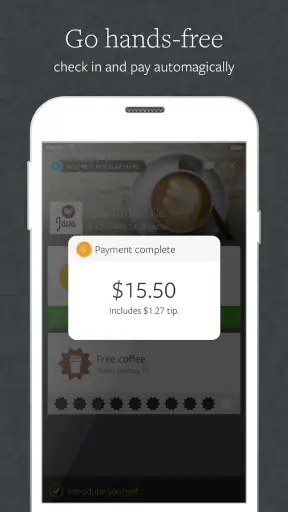
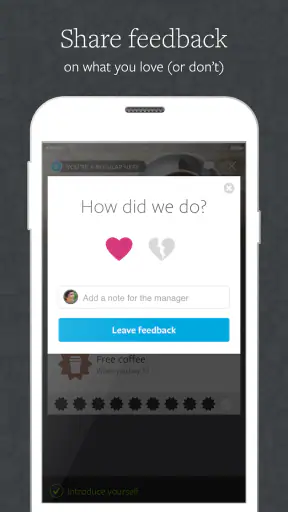
I found Clover most useful when I treated it as a practical companion for local shopping rather than as another general-purpose rewards wallet. It belongs to the lifestyle category, and its central idea is simple: help me earn loyalty perks or place orders with participating local businesses. That focus makes it easy to understand, but the value depends heavily on whether the places I already visit use Clover.
After spending time with it, my overall impression is that it works best in short, purposeful sessions. I open it when I am deciding where to order, checking whether a familiar business offers a loyalty benefit, or trying to make a repeat purchase without starting from scratch. It is less compelling if I want one universal rewards system that covers every shop, restaurant, or service in my area.
How Clover feels during everyday use
Quick enough for the moments that matter
The app is designed around actions that should not require a long visit: finding a local business, reviewing available ordering choices, or checking progress toward a perk. In my experience, that makes the perceived speed more important than having a huge collection of screens. When I already know which business I want, Clover feels most useful because it keeps the interaction focused instead of asking me to browse endlessly.
There is also a practical difference between opening the app with a plan and opening it without one. If I search or select a familiar business directly, the experience feels naturally efficient. If I am exploring what is available nearby, the usefulness depends more on how many participating businesses appear in my area. The app cannot make an unavailable local business suddenly become part of the experience, so discovery may feel thinner in some locations than in others.
One habit improved my experience: I would check the business and order details before beginning a purchase, rather than assuming every location handled loyalty and ordering in exactly the same way. That small pause helps avoid the common frustration of expecting a perk or ordering path that a particular business does not offer.
A realistic lunch scenario
Imagine I am leaving work and want lunch from a café I visit regularly. Instead of searching the web, opening a separate ordering service, and then wondering whether my repeat visits count toward anything, I can first look for that business in Clover. If ordering is available, I can place the request through the same general destination; if a loyalty perk is available, I can use the visit as part of a longer reward cycle.
The benefit is not dramatic every single time. It is the reduction of small decisions. I do not need to remember which service a local business uses, and I can keep my attention on the order itself. For a regular customer, that convenience can matter more than a flashy rewards interface.
Where the experience becomes heavier
The app can feel less immediate during heavier-use moments, especially when I am comparing several businesses, changing an order, or trying to understand the difference between a loyalty action and an ordering action. Those are not the same task, and moving between them requires more attention than the short store summary suggests.
I would not describe Clover as something I keep open all day. Its natural rhythm is open, act, and leave. That is a strength for battery-conscious users, but it also means the app is not a complete planning tool for a full day of errands. I would still use a map or a business’s own information when I need broader location planning, opening details, or a complete picture of every option nearby.
For repeated use, the most sensible workflow is to keep the app for businesses I already recognize. That reduces browsing and makes it easier to notice whether a perk or order option is relevant. It also exposes the main trade-off: the more my routine depends on independent businesses that do not use Clover, the less central the app becomes.
Stability and recovery after interruptions
Ordering from a phone is one of those activities where recovery matters. A call, a weak connection, an accidental back gesture, or a moment of indecision can interrupt the process. My advice is to review the final details after returning to the app instead of assuming an interrupted screen means the action completed.
This is not a criticism unique to Clover; it is a sensible precaution for any mobile ordering tool. Still, Clover’s usefulness is tied to getting a local transaction right, so I pay closer attention here than I would while casually browsing an article. If I have stepped away from the app, I want to confirm the selected business and order state before leaving or arriving to collect anything.
The same principle applies to perks. I would not rely on memory alone when a reward depends on a particular action at a participating business. Checking the relevant screen before completing the visit is a better habit than trying to reconstruct what happened later. That is one of the less obvious ways to use the app well: treat it as a transaction aid, not merely a digital stamp card.
What the developer and release details tell me
Clover is developed by Clover Network, Inc., and it has been available since September 26, 2011. That long presence gives the app a more established feel than a newly launched local-commerce experiment. The current version is 6.1.5, which matters because users should generally keep the app updated when relying on it for ordering or loyalty activity.
The app has a 4.1 average from around 24 thousand ratings, with roughly 8 thousand written reviews. It has also passed the million-install mark. Those figures suggest that Clover is used well beyond a tiny test audience, while the rating also sets a realistic expectation: many people find it useful, but it is not universally frictionless.
Device limits and who should think twice
The listed minimum operating-system requirement is version 8.0. That makes Clover accessible to a broad range of supported phones, although the actual comfort of use will still depend on the device’s age, available storage, network quality, and general responsiveness. I would be more cautious on an older phone that already struggles with modern apps, especially if I plan to use ordering during a busy period.
Resource demands are best judged by the way the app is used. Because its main value comes from short sessions, I would not expect it to need constant background attention for ordinary use. I would open it when needed, complete the task, and close it. That approach is also sensible for people trying to preserve battery or reduce notifications from shopping and food-related apps.
The Mature 17+ content rating is another detail parents should take seriously. Even if the everyday purpose feels ordinary, I would not install it on a child’s device without checking whether the rating fits the household’s rules. For adults, the rating is simply part of deciding whether the app belongs on a shared or supervised phone.
How it compares with familiar alternatives
The usual alternative is ordering directly through a business website, calling the business, or using a broad delivery and ordering service. Direct contact can be better when I need a special request, want to ask a question, or am dealing with a business that does not participate in Clover. A large ordering marketplace can be better when I want to compare many businesses in one place.
Clover’s advantage is narrower and more personal. It makes the most sense when the businesses I already support use it and when I care about combining repeat-customer perks with an ordering route. A general marketplace may offer wider discovery, but it can feel less connected to my relationship with one local business. A direct website may be more authoritative for business-specific information, but it may not give me the same single place to check local loyalty activity.
That comparison also explains who should skip Clover. If I rarely return to the same local businesses, mostly order through a service I already prefer, or live somewhere with little participation, I would not make this app central to my routine. Installing it “just in case” is unlikely to produce much value. It earns its place when it matches actual habits.
Three habits that make the app more useful
I would begin with businesses I already visit rather than browsing randomly. This gives the loyalty side a real purpose and makes it easier to notice whether ordering is available.
I would separate discovery from checkout. First decide whether the business and perk are right for the visit, then review the order carefully. Combining those decisions too quickly is where avoidable mistakes happen.
I would reopen the relevant details after any interruption. A phone call or connection problem is a good reason to verify the business and order state before assuming the transaction went through.
These are small changes, but they address the app’s real trade-offs. Clover is not difficult because its idea is complicated; it can be awkward when a user expects it to behave like a universal directory, a full delivery marketplace, and a complete rewards wallet at the same time. Keeping the purpose narrow makes the experience clearer.
Cost, commitment, and practical value
Clover is free to install, so the decision is mainly about usefulness rather than an upfront purchase. I would still judge it by the time it saves and the relevance of the participating businesses, not by the fact that there is no download charge. A free app that rarely applies to my routine is still clutter, while a focused tool I use for regular purchases can be worthwhile.
The strongest case is a person who supports several local businesses, likes earning perks, and wants an order-ahead option without maintaining a separate app for every participating place. The weaker case is someone who wants a universal loyalty card, broad price comparison, or a single service covering every local merchant.
I also appreciate that the app’s value can be gradual. A single order may not transform the experience, but repeated visits can make the loyalty side more meaningful. That means I would give it a fair trial around my normal routine instead of judging it after one exploratory session. At the same time, I would remove it if none of my regular businesses appear or if another ordering method is consistently simpler.
My final performance verdict
My verdict is that Clover is a focused local-commerce app with a sensible short-session design. It feels most efficient when I already know the business, most useful when I return to the same places, and least convincing when I expect universal coverage. Its performance should be understood in that context: the app does not need to replace every shopping tool to do its job well.
The best reason to use Clover is the combination of local ordering and repeat-customer perks in one focused experience. That combination can remove a few everyday steps, particularly for people who regularly support participating businesses. The best reason not to use it is equally clear: if those businesses are not part of my routine, the app has little to organize.
With a 4.1 average and more than a million installs, it has enough reach to be worth checking, while the Mature 17+ rating and Android 8.0 minimum are details I would consider before installing it on a particular device. I would recommend it to an adult who wants a free way to connect with familiar local businesses and is willing to verify ordering details carefully. I would choose a broader marketplace for discovery, or direct contact for special requests, but for repeat local visits, Clover: Perks and Order Ahead has a clear and practical place.


